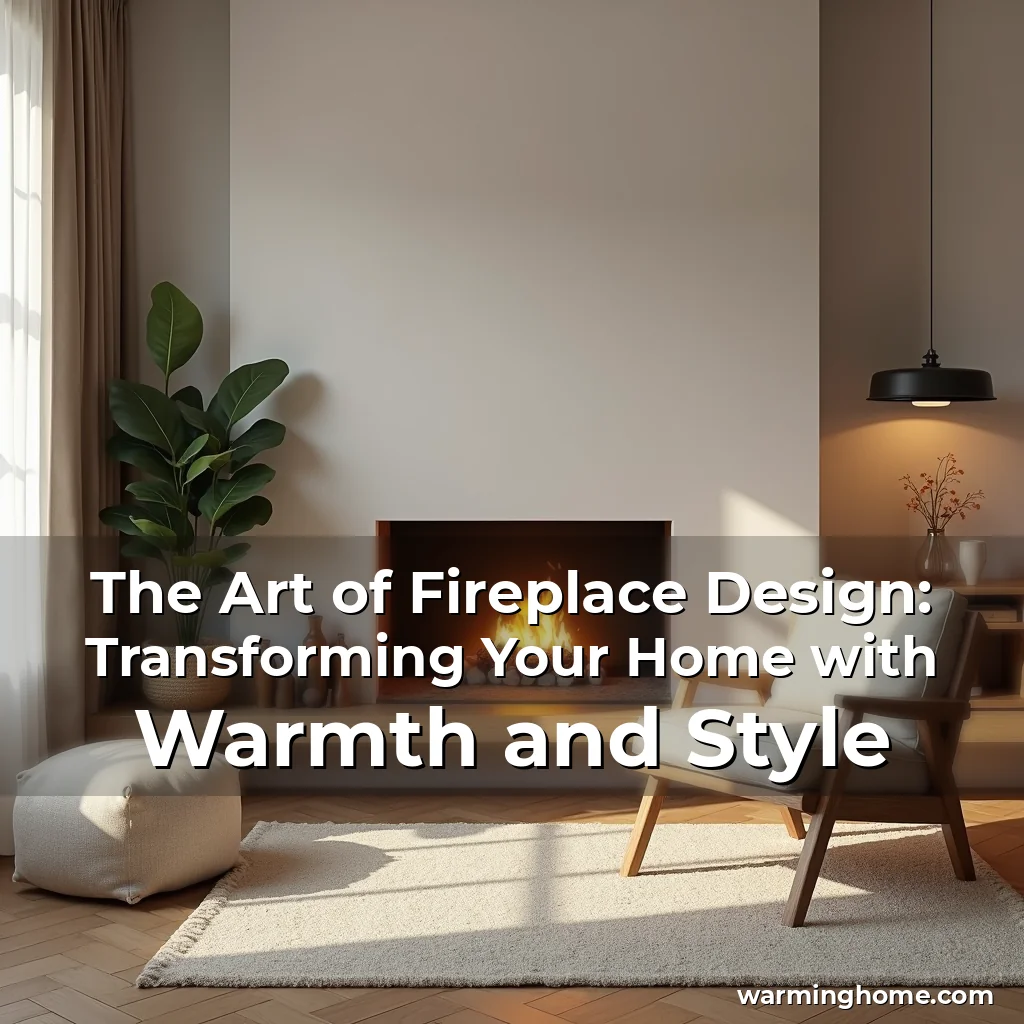
The Art of Fireplace Design: Transforming Your Home with Warmth and Style
In an era where home interiors are increasingly seen as extensions of personal identity, the fireplace has emerged not merely as a heating appliance but as a central piece of architectural storytelling. Whether you’re renovating your living room or building from scratch, thoughtful fireplace design can dramatically enhance both functionality and aesthetic appeal.
This guide explores how modern homeowners and design enthusiasts can integrate fireplaces that blend seamlessly with their decor while providing practical warmth during colder months. From traditional masonry hearths to contemporary electric models, we’ll examine every aspect of creating a fireplace that complements your lifestyle and enhances your space.
Fundamental Principles of Fireplace Placement
A well-placed fireplace is crucial for maximizing its visual impact and functional benefits. Consideration of room layout, traffic flow, and structural elements ensures optimal placement that serves both form and function.
Rooms with open floor plans often benefit from centrally located fireplaces that act as natural gathering points. This positioning allows the fireplace to become the focal feature around which furniture arrangements revolve.
Structural considerations include ensuring there’s adequate clearance between combustible materials and the fireplace opening. Building codes typically require at least 6 inches of clear space between flammable surfaces and the fireplace face.
Proper ventilation is another critical factor in fireplace placement. Chimneys need unobstructed pathways to safely vent combustion gases outside, requiring careful consideration of roof structure and surrounding obstructions.
- Room orientation: South-facing rooms receive more sunlight, making them ideal for fireplaces that provide supplemental heat without competing with natural light sources.
- Acoustic factors: Fireplaces placed near sound-sensitive areas like music rooms or home offices may require additional insulation to prevent noise transmission through walls.
Material Selection: Crafting Timeless Elegance
The choice of materials significantly influences the overall aesthetics and durability of a fireplace installation. Natural stone options offer timeless beauty, while manufactured alternatives provide cost-effective solutions with consistent quality control.
Masonry fireplaces constructed from brick or stone exude classic charm and can last decades when properly maintained. These materials naturally withstand high temperatures better than many synthetic counterparts.
Concrete and metal composites have gained popularity in modern designs due to their versatility and ability to incorporate bold geometric shapes. They allow architects greater freedom in creating custom fireplace features.
For those seeking low-maintenance options, ceramic tile surrounds present an attractive solution that combines style with ease of cleaning. However, they require professional installation to ensure proper sealing against moisture damage.
Selecting appropriate finishes involves considering how different textures will interact with ambient lighting. Matte surfaces absorb light while glossy ones reflect it, affecting how the fireplace appears under various illumination conditions.
Design Styles That Define Spaces
Fireplace styles range from rustic log cabin designs to sleek minimalist installations, each offering distinct advantages based on architectural context and personal preference.
Traditional mantels featuring carved wooden frames and ornate moldings create a sense of history and sophistication. These designs work particularly well in period homes or estates with classical architecture.
Contemporary fireplaces emphasize clean lines and seamless integration with modern interiors. Glass enclosures and built-in media consoles exemplify this approach by combining utility with cutting-edge design.
Industrial-style fireplaces utilize raw materials such as exposed brick, steel beams, and concrete slabs to create edgy yet inviting spaces perfect for loft apartments and urban residences.
Coastal-inspired fireplaces use lighter color palettes with nautical accents, blending effortlessly with beachfront properties or homes incorporating seaside themes.
Each design style requires careful coordination with other decorative elements in the room. Color schemes, texture contrasts, and spatial proportions must align harmoniously to avoid visual clutter or imbalance.
Functional Enhancements Through Smart Technology
Modern advancements in smart technology have revolutionized fireplace functionality, enabling precise temperature control and remote operation capabilities.
Smart thermostats integrated with fireplaces allow users to adjust flame intensity and room temperature via smartphone apps. Some systems even learn user preferences over time to optimize energy efficiency automatically.
Voice-controlled fireplaces represent the next evolution in convenience, allowing hands-free adjustments using virtual assistants like Alexa or Google Assistant. These features are especially beneficial for elderly occupants or individuals with mobility challenges.
Safety enhancements include automatic shut-off sensors that detect abnormal temperature fluctuations or gas leaks. These protective measures provide peace of mind while maintaining operational reliability.
Eco-friendly innovations now enable fireplaces to operate efficiently while minimizing environmental impact. Advanced combustion technologies reduce emissions and maximize fuel utilization across various fuel types.
Illumination Strategies for Ambiance Enhancement
Creative lighting solutions can transform a standard fireplace into a dramatic focal point that defines the character of any living space. Strategic placement of lights creates depth and dimension within the area.
Accent lighting beneath mantelpieces highlights architectural details while casting soft shadows that add visual interest. LED strips installed along shelves or behind glass panels offer adjustable brightness levels for different occasions.
Chandelier selections should complement rather than compete with existing lighting fixtures. Suspended pieces positioned above seating areas provide general illumination while adding decorative flair to the space.
Wall sconces mounted symmetrically on either side of the fireplace create balanced illumination that accentuates artwork or mirrors nearby. Their warm glow enhances intimacy during evening gatherings.
Dimmable switches give occupants full control over ambiance settings, allowing transitions from bright daytime mode to cozy nighttime configurations easily.
Customization Options for Personal Expression
Today’s market offers numerous customization possibilities that let homeowners express individuality through their fireplace designs. From bespoke mantel carvings to personalized engravings, creative choices abound.
Built-in shelving units extend the utility of fireplaces beyond mere decoration. These storage solutions help organize books, collectibles, and holiday decorations while enhancing vertical space usage.
Integrated entertainment centers combine television screens with fireplace features, creating multifunctional zones suitable for family movie nights or casual viewing sessions.
Custom-sized openings accommodate varying room dimensions and ceiling heights, ensuring proportional balance within the overall architectural scheme. Professional consultation helps determine optimal measurements for best results.
Engraved nameplates or commemorative plaques add sentimental value to fireplace installations, transforming them into meaningful heirlooms passed down through generations.
Environmental Considerations in Modern Design
Sustainable practices play an essential role in contemporary fireplace design, balancing ecological responsibility with residential comfort requirements. Eco-conscious materials and construction methods contribute positively to environmental stewardship efforts.
Recycled metals used in fireplace components minimize resource depletion associated with new material production processes. These environmentally friendly alternatives maintain structural integrity without compromising visual appeal.
Natural stone quarried responsibly supports conservation initiatives by promoting sustainable mining practices within regulated parameters. Choosing locally sourced stones reduces transportation-related carbon footprints effectively.
Energy-efficient combustion systems decrease fossil fuel consumption while improving indoor air quality through advanced emission controls. These improvements make fireplaces viable heating options even in eco-sensitive regions.
Water-based sealants applied to stone facades protect against weathering effects without releasing harmful volatile organic compounds into the atmosphere. This safe alternative preserves surface appearance while safeguarding health standards indoors.
Installation Essentials: What You Need To Know
Successful fireplace installation depends heavily on understanding key technical specifications and adhering strictly to local building regulations. Proper preparation prevents costly mistakes later during renovations or constructions.
Professional evaluation determines whether existing structures can support new fireplace installations or if reinforcement works are required first. Structural engineers assess load-bearing capacities before proceeding further.
Ventilation system compatibility checks ensure that chimney connections match up correctly with current HVAC infrastructure already in place within the property.
Purchase decisions involve comparing product warranties, maintenance schedules, and expected lifespans when selecting between different fireplace types available commercially today.
Accurate measurement takes precedence over aesthetics; incorrect sizing leads to inefficient performance issues regardless of stylistic choices made initially regarding design aspects.
Cost Factors Influencing Design Choices
Financial considerations shape fireplace selection and design decisions significantly, influencing everything from basic model choices to complex customizations requested by clients seeking unique features.
Entry-level electric models represent budget-friendly solutions that deliver reliable heating without needing extensive modifications to house foundations or plumbing setups.
Mid-range wood-burning units provide authentic fireplace experiences at moderate costs though they necessitate regular upkeep including periodic cleaning tasks and occasional repairs.
Luxury gas-powered installations command premium prices due to sophisticated engineering involved plus enhanced conveniences offered through automated ignition mechanisms among others.
Additional expenses arise when opting for elaborate custom designs involving special finishes, rare materials, or intricate detailing that demands skilled craftsmanship exceeding typical manufacturing capabilities found generally elsewhere in mass-produced goods markets.
Maintaining Longevity Through Regular Care
Consistent maintenance routines prolong lifespan expectancy considerably for most fireplace types irrespective of initial investment amounts spent upon acquisition stages earlier during purchase periods.
Annual inspections by certified professionals identify potential hazards early enough so corrective actions remain manageable financially rather than becoming emergency situations requiring immediate intervention procedures post-failure occurrences.
Cleanliness protocols vary depending primarily on type chosen initially, whether solid fuel burning appliances versus cleaner burning gaseous variants utilizing enclosed combustion chambers protected against direct exposure risks inherently linked with open-flame operations conducted traditionally outdoors previously.
Seasonal preparations entail checking damper functions manually operated versions periodically alongside verifying automatic controls’ responsiveness accurately whenever switching modes between active heating cycles versus standby states conserving power resources wisely.
Protective coatings reapplied occasionally preserve original appearances preventing deterioration caused mainly by repeated thermal cycling stresses experienced consistently over extended durations spanning years together continuously operating under normal household conditions prevailing universally everywhere globally nowadays.
Conclusion
Thoughtful fireplace design goes far beyond simple wall-mounted stoves, evolving instead into holistic expressions of personal taste interwoven intricately with architectural contexts wherever implemented successfully anywhere worldwide currently.
By carefully evaluating placement options, material selections, technological integrations, and sustainability priorities simultaneously, homeowners can craft fireplace environments that serve dual purposes effectively—providing comforting warmth during cold seasons while simultaneously elevating interior aesthetics permanently thereafter permanently afterwards indefinitely.
“`

news is a contributor at WarmingHome.com. We are committed to providing well-researched, accurate, and valuable content to our readers.